

Picking the right prebuilt gaming rig
Choosing a prebuilt gaming PC in 2026 means balancing raw performance, aesthetic customization, and build quality. The market has settled into three clear tiers, each serving a different type of gamer. Cyberpower targets budget-conscious players who want maximum frame rates per dollar. Skytech appeals to those who want their PC to look as good as it plays, offering extensive RGB and case customization. Alienware sits at the premium end, delivering high-end performance with a focus on sleek design and brand prestige.
Cyberpower is the entry-level champion. You will find their rigs packed with the latest GPUs and CPUs at prices that undercut many custom builds. The trade-off is often in the case design and cooling solutions, which are functional but rarely striking. If your goal is to play AAA titles at 1080p or 1440p without spending a fortune, Cyberpower offers a straightforward path to high performance.
Skytech bridges the gap between budget and premium. They excel in visual appeal, offering cases with tempered glass, extensive RGB lighting, and unique airflow designs. Their hardware is generally solid, though you may pay a slight premium for the aesthetics. Skytech is ideal for gamers who want a system that stands out on their desk while still delivering strong gaming performance.
Alienware represents the top tier. Known for their iconic design language and robust support networks, Alienware systems are built for those who prioritize reliability and brand experience. The performance is excellent, often featuring the latest components and advanced cooling solutions. However, this comes at a significant cost. Alienware is for gamers who view their PC as a long-term investment and are willing to pay for premium build quality and customer service.
How Cyberpower, Skytech, and Alienware Stack Up
Choosing a prebuilt gaming PC means trading off between raw performance-per-dollar and brand reliability. Cyberpower and Skytech dominate the budget-to-midrange sector, offering high-end GPUs at entry-level prices by using generic cases and basic cooling. Alienware, by contrast, positions itself as a premium option, bundling powerful components with advanced thermal management and a distinctive aesthetic, but at a steep markup.
The core difference lies in how these brands balance component costs against chassis and support features. For most gamers, the goal is to maximize frame rates without overspending on branding. This section breaks down the typical configurations and value propositions of each brand to help you decide where your money goes.
The Value Tier: Cyberpower and Skytech
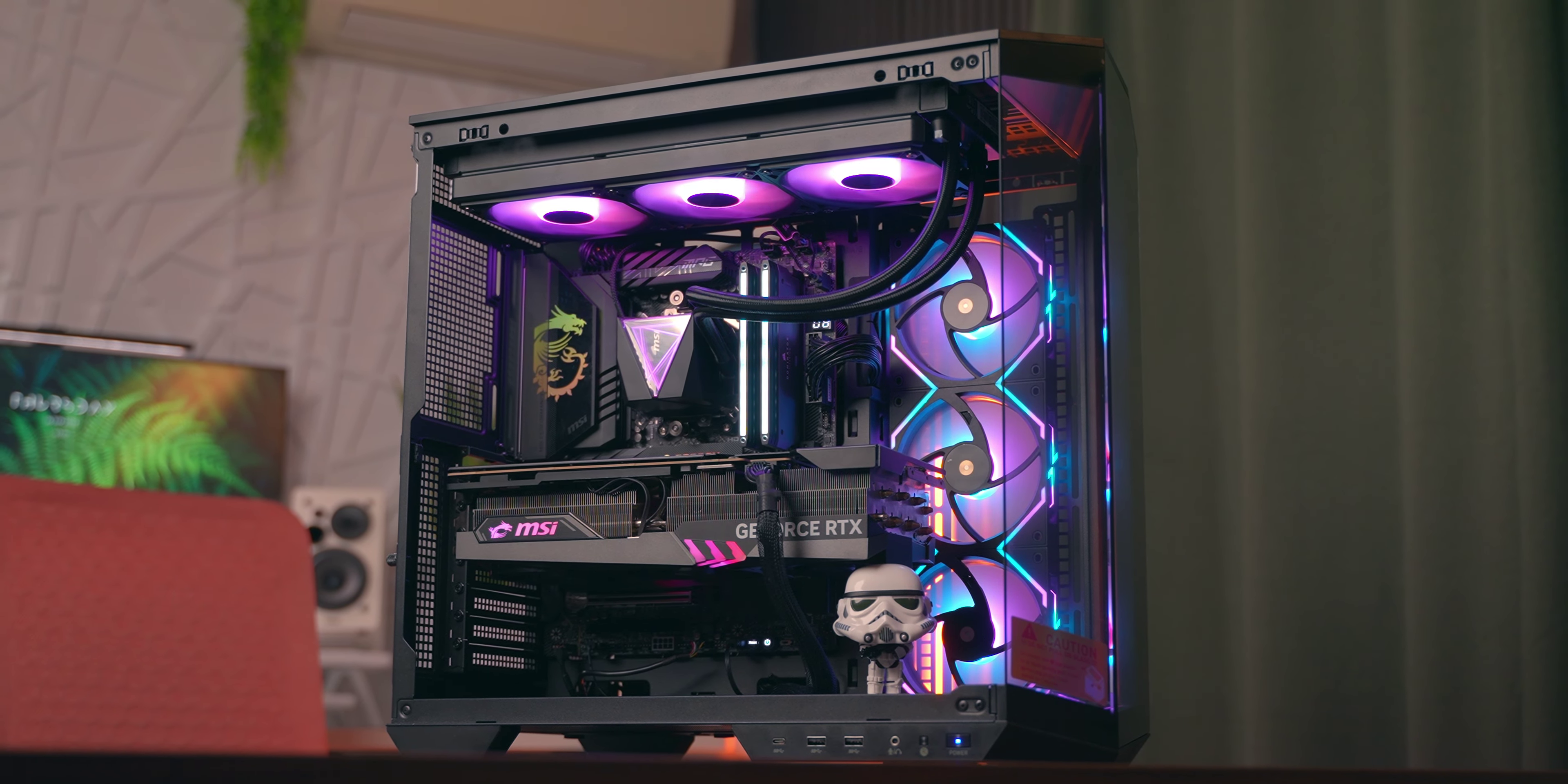
CyberpowerPC and Skytech PC operate on similar business models: they source high-performance GPUs and CPUs from major manufacturers but keep costs down by using off-the-shelf cases and standard air cooling. This approach allows them to offer configurations with RTX 4070 Ti or Ryzen 7 7800X3D processors for significantly less than branded competitors.
However, this value comes with trade-offs. The cases often have limited airflow, which can lead to higher internal temperatures during extended gaming sessions. Additionally, while the core components are reliable, the motherboards and power supplies may be lower-tier brands. For gamers on a tight budget who prioritize FPS over aesthetics, these rigs deliver exceptional bang for the buck.
The Premium Tier: Alienware
Alienware, a division of Dell, targets enthusiasts who want a polished experience out of the box. Their prebuilts typically feature custom-designed cases with superior airflow, RGB lighting, and often liquid cooling options even for mid-range builds. The software suite, Alienware Command Center, offers robust system monitoring and overclocking capabilities that generic brands lack.
The primary drawback is the price. You are paying a premium for the Alienware badge, the design, and the integrated support ecosystem. For users who value a clean aesthetic, quiet operation, and easy warranty service, the extra cost is justified. However, for pure performance per dollar, Alienware trails behind the budget brands.
| Brand | Typical CPU | Typical GPU | Cooling | Price Range | Best For |
|---|---|---|---|---|---|
| CyberpowerPC | Intel Core i5 / AMD Ryzen 5 | NVIDIA RTX 4060 Ti / 4070 | Standard Air | $800 - $1,500 | Budget-conscious gamers |
| Skytech PC | AMD Ryzen 5 / 7 | NVIDIA RTX 4060 / 4070 Ti | Standard Air | $900 - $1,600 | High FPS on a budget |
| Alienware | Intel Core i7 / i9 | NVIDIA RTX 4070 Ti / 4080 | Advanced Air / Liquid | $1,800 - $3,500+ | Premium build quality & support |
Deciding on Performance vs. Price
When comparing these options, look beyond the GPU model number. A Cyberpower rig with an RTX 4070 might perform similarly to an Alienware rig with the same GPU, but the Alienware will likely run cooler and quieter. If you plan to overclock or game for many hours in a small room, the thermal advantages of Alienware may be worth the extra cost. If you just want to play the latest titles at high settings without worrying about case aesthetics, the budget brands are the smarter financial choice.
Build quality and thermal management
The physical construction of a prebuilt gaming rig determines how long it lasts under load and how much noise it makes while you play. Cyberpower, Skytech, and Alienware take different approaches to chassis design, airflow, and component compatibility, each with distinct trade-offs for the average user.
Alienware stands apart with its proprietary chassis designs. While the aesthetic is sleek and the build quality feels premium, the internal layout often uses custom motherboards and proprietary power supplies. This limits future upgrade paths, as swapping out standard ATX components can be difficult or impossible without replacing entire sections of the PC. If you plan to keep a machine for five years and upgrade parts along the way, Alienware’s closed ecosystem may frustrate you.
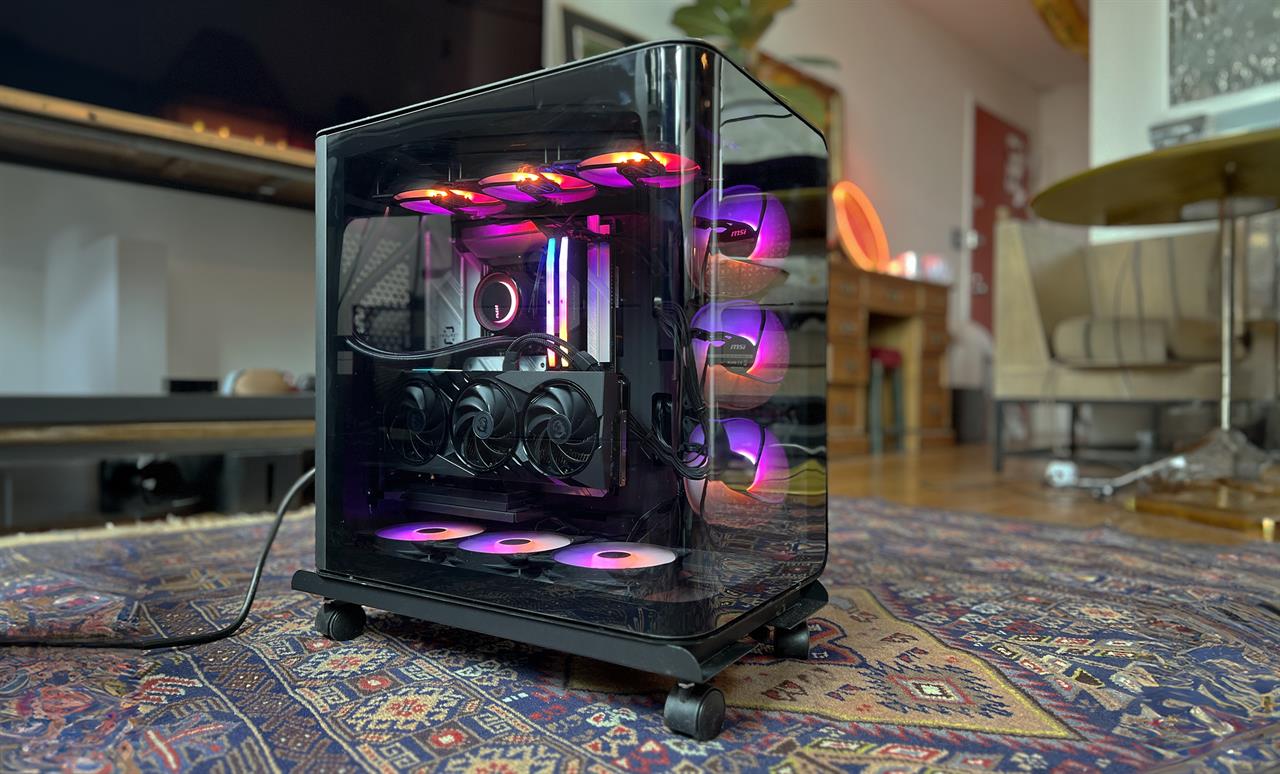
Cyberpower and Skytech lean heavily on standard ATX cases. This approach prioritizes accessibility and compatibility. You can easily swap out graphics cards, add more RAM, or replace cooling fans using off-the-shelf parts. The trade-off is that the cases themselves are often more generic, with less refined cable management and thinner metal panels. However, for thermal management, this standardization allows for straightforward airflow modifications if the stock fans aren’t enough.
Thermal efficiency varies significantly across these brands. Alienware often includes advanced cooling solutions, such as liquid cooling loops in higher-end models, which keep temperatures low but add complexity and potential points of failure. Cyberpower and Skytech typically rely on air cooling with stock fans. While adequate for most games, these setups can run hotter and louder under sustained heavy loads. Proper case placement and regular dust cleaning become more critical for these budget-friendly options to maintain performance over time.
Support, warranty, and upgrade paths
When buying a prebuilt gaming rig, the hardware is only half the equation. You are also purchasing a relationship with the manufacturer. The quality of customer service, the terms of the warranty, and how easy it is to open the case and swap parts will define your experience long after the box is unpacked. Cyberpower, Skytech, and Alienware take very different approaches to these post-purchase realities.
Warranty coverage and claim processes
Warranty terms vary significantly in duration and scope. Alienware, owned by Dell, offers a premium support tier with on-site service options for higher-end models, though standard coverage is often limited to one year unless extended. Cyberpower and Skytech typically include a one-year limited warranty on parts and labor, with some components like power supplies or cases potentially having shorter windows.
The real difference lies in the claim process. Alienware’s support network is extensive, often allowing technicians to come to your home. Budget brands like Cyberpower and Skytech generally rely on RMA (Return Merchandise Authorization) processes, requiring you to ship the defective part back to them. This can mean days or weeks of downtime for repairs. Always check if the warranty covers labor costs for the initial year, as some manufacturers only cover the part itself.
Customer service accessibility
Customer service quality is a frequent pain point for budget prebuilts. Cyberpower and Skytech rely heavily on email support and ticketing systems. Response times can be slow, and you may find yourself navigating automated help centers before reaching a human. Phone support is often limited or non-existent for standard warranty claims.
Alienware provides 24/7 phone and chat support, which is a significant advantage for urgent issues. However, this premium support comes at a higher price point. For Cyberpower and Skytech buyers, patience is essential. It is wise to document all serial numbers and keep packaging intact in case a return is necessary within the first 30 days, as this is often the easiest window for resolution.
Ease of upgrading components
Upgradeability is where the structural design of the case matters most. Alienware cases are often proprietary, using custom motherboards and power connectors that make swapping components difficult and expensive. You are largely locked into their ecosystem for upgrades.
Cyberpower and Skytech generally use standard ATX cases, making it easier to add RAM, swap GPUs, or install new storage. However, cable management inside these budget cases can be tight, and pre-routed cables may restrict airflow or physical space for larger coolers. Before upgrading, check the case specifications for maximum GPU length and CPU cooler height. While these brands offer more flexibility than Alienware, you may need to purchase third-party cable kits or spacers to make upgrades fit comfortably.
Final verdict on prebuilt gaming PCs
Choosing the right prebuilt gaming PC comes down to matching the machine to your specific priorities. While all three brands deliver functional rigs, they occupy distinct corners of the market. Cyberpower and Skytech serve as the budget-friendly workhorses, offering raw performance per dollar for players who prioritize frame rates over aesthetics. Alienware, by contrast, commands a premium for its industrial design, build quality, and the Alienware Command Center software ecosystem.
If your primary goal is maximizing gaming performance on a tight budget, Cyberpower provides a reliable entry point. Their systems often feature competitive hardware configurations at lower price points, making them ideal for gamers who plan to upgrade components individually over time. Skytech offers a similar value proposition but frequently includes more aggressive aesthetic elements, such as tempered glass and RGB lighting, for those who want their rig to look as good as it performs without breaking the bank.
For users who prioritize design, support, and a polished software experience, Alienware is the clear choice. The Alienware Area-51 and m15/m17 series are engineered with premium materials and advanced thermal solutions that justify the higher cost. This brand is best suited for gamers who want a turnkey solution with robust customer support and a cohesive aesthetic that integrates seamlessly into a high-end gaming setup.


As an Amazon Associate, we may earn from qualifying purchases.
Ultimately, the decision rests on what you value most. If you are a DIY-minded gamer looking for the best bang for your buck, stick with Cyberpower or Skytech. If you prefer a premium, support-heavy experience and are willing to pay for it, Alienware remains the gold standard for prebuilt gaming rigs.
Common questions about gaming rigs
Prebuilt PCs offer convenience, but understanding their limitations and maintenance needs helps you make the right choice for 2026. Here are answers to the most frequent questions about upgrading and maintaining systems from Cyberpower, Skytech, and Alienware.
No comments yet. Be the first to share your thoughts!