

Quick verdict on top gaming rigs
Choosing between Skytech, Cyberpower, and Lyte depends on whether you prioritize raw budget, reliability, or build quality. While all three offer similar core specifications for the price, their differences lie in thermal management, aesthetic design, and long-term durability. This breakdown helps you decide which Gaming Rigs fit your specific needs.
Skytech: The Aesthetic Choice
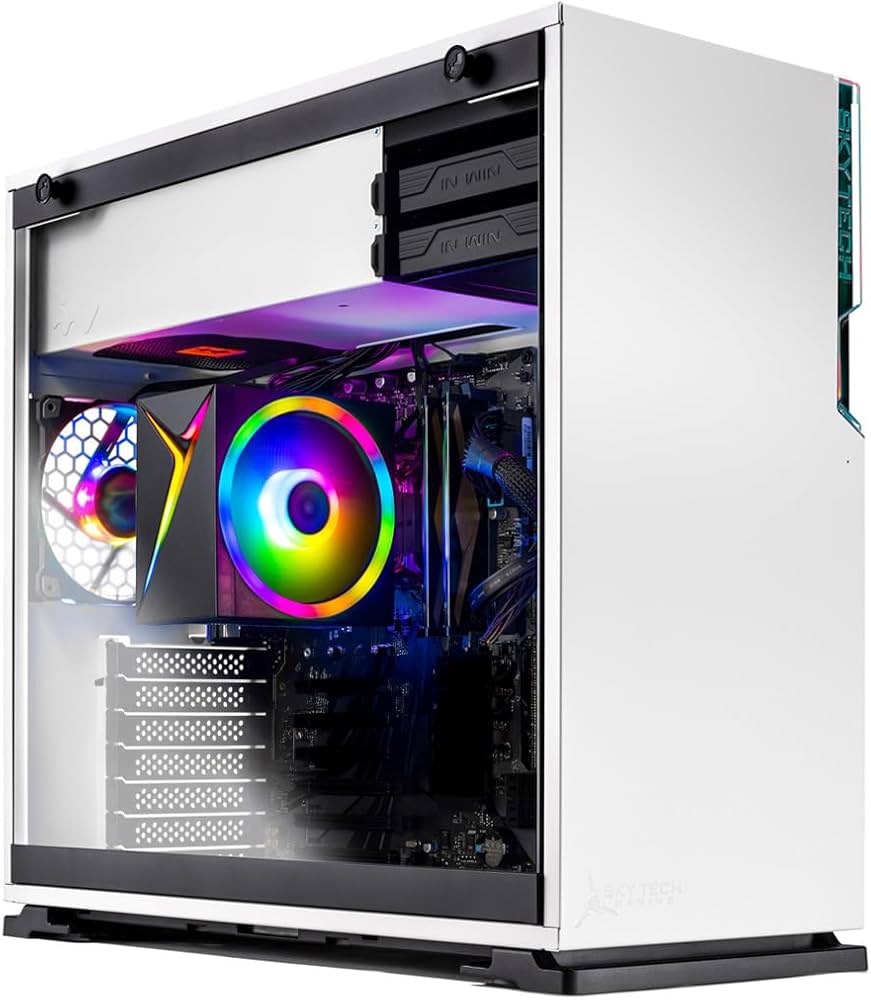
Skytech targets buyers who want their PC to look as good as it performs. Builds typically feature extensive RGB lighting and tempered glass panels that showcase internal components. While raw performance is solid for 1080p and 1440p gaming, the focus on aesthetics sometimes means cable management and airflow optimization are secondary concerns. It is a strong entry-level choice if visual impact is your priority.
Cyberpower: The Reliable Workhorse
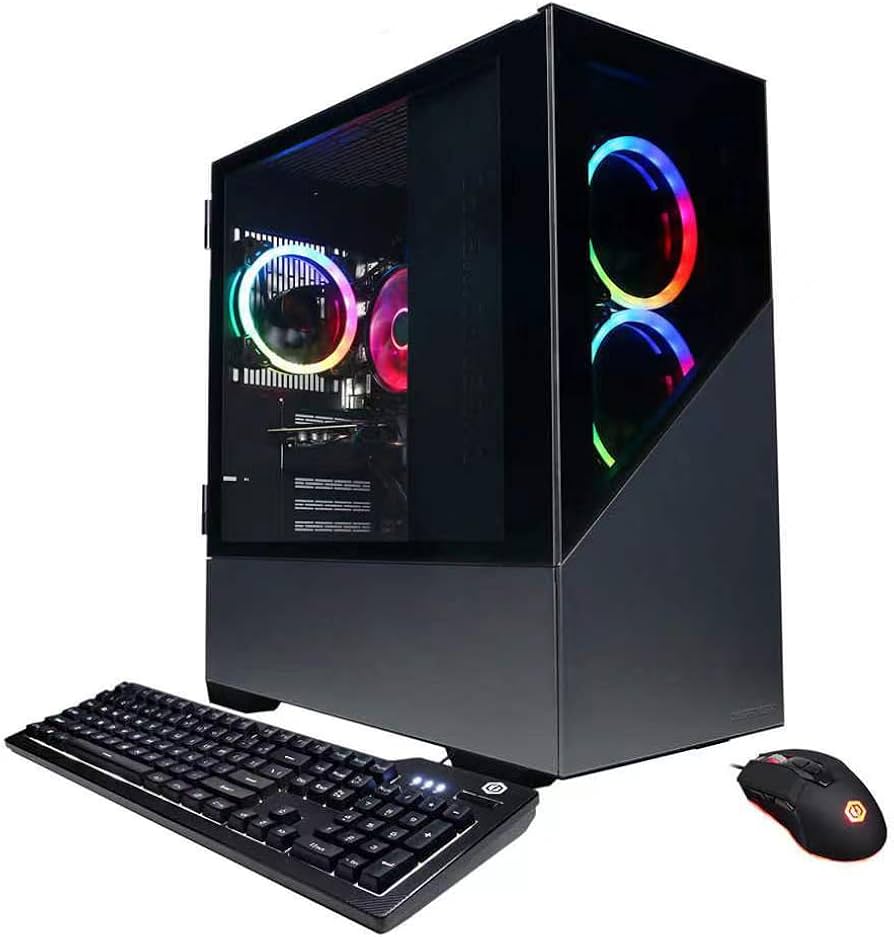
Cyberpower occupies the middle ground, offering straightforward builds with reliable cooling and decent component pairing. They prioritize functionality over flash, resulting in systems that are easy to maintain and generally stable. If you want a no-nonsense Gaming Rigs experience that delivers consistent frame rates without unnecessary frills, Cyberpower is a safe, dependable choice for mainstream gaming.
Lyte: The Premium Build
Lyte stands out for its attention to detail and superior thermal management. Their cases often feature better airflow designs and higher-quality materials, leading to quieter operation and sustained performance during long gaming sessions. While the price point is higher, the build quality justifies the cost for users who plan to keep their PC for several years. It is the best option if you value longevity and clean aesthetics over pure budget savings.
Head-to-head specs and pricing
When comparing Gaming Rigs from Cyberpower, Skytech, and Lyte, raw specifications tell only part of the story. While all three brands offer similar core components for 2026, the differences lie in how those parts are arranged, cooled, and priced. A side-by-side look at the CPU, GPU, RAM, storage, and warranty terms helps clarify which brand prioritizes performance per dollar versus long-term reliability.
The table below breaks down the typical configurations for each brand's mid-to-high-range offerings. Note that exact models shift frequently based on component availability, but the general tier structure remains consistent across the industry.
CyberpowerPC often leads on initial price, making it a strong entry point for budget-conscious gamers. However, the 500GB storage is a constraint that may require an immediate upgrade. Skytech sits in the middle, offering a more modern AMD platform and faster GPU for a moderate premium. Lyte targets enthusiasts with higher-tier CPUs and double the RAM, backed by a longer warranty period that signals confidence in their build quality.
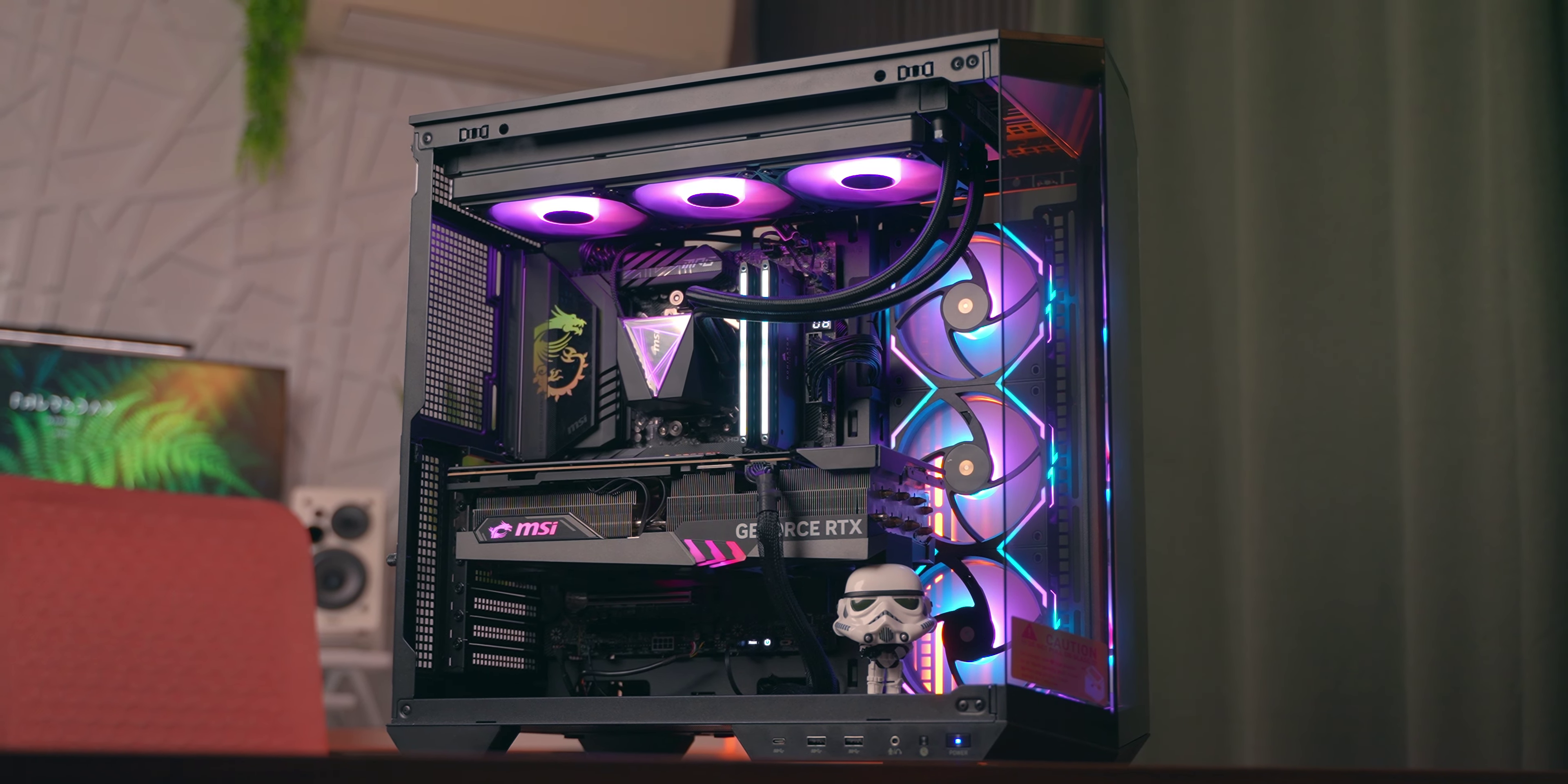
Beyond the specs, cooling and cable management vary by brand. Skytech and Lyte generally use larger cases with better airflow patterns, which helps sustain performance during long gaming sessions. CyberpowerPC cases are often more compact, which can save space but may lead to higher internal temperatures under load. Always check the specific case model included in your configuration, as this impacts noise levels and thermal stability more than the CPU or GPU alone.
Build quality and value in Cyberpower PCs
Cyberpower occupies the entry-level tier of pre-built Gaming Rigs, aiming to deliver the highest possible specifications for the lowest price. This strategy works well for buyers who prioritize raw performance numbers over premium chassis features. However, achieving these price points requires compromises in materials and assembly precision that become apparent during inspection.
Cable management in Cyberpower systems is functional rather than refined. While internal airflow is rarely obstructed, you will often find loose wires bundled loosely behind the motherboard tray or tucked haphazardly in the front intake. This is standard for budget builds, but it lacks the clean, routed aesthetics found in mid-range competitors. It does not impact performance, but it may frustrate users who prefer a tidy interior.
Cooling solutions are adequate for stock operation but lack headroom for sustained heavy loads. Cyberpower typically pairs their processors with generic tower coolers or entry-level all-in-one liquid coolers that are quiet under light use but can become noisy during extended gaming sessions. The chassis ventilation is generally sufficient, but the fans themselves are often basic 120mm units that prioritize cost over acoustic performance.
Customer support is the most significant variable in the Cyberpower equation. Reviews are mixed, with many users reporting long wait times for technical assistance. The warranty coverage is standard for the industry, but the ease of claiming it varies. Buyers should be prepared to troubleshoot minor software or hardware issues independently before expecting prompt support intervention.
Skytech Gaming PC performance review
Skytech positions itself as a provider of high-FPS gaming rigs, prioritizing visual impact alongside raw power. Their systems are designed for gamers who want an immediate, plug-and-play experience with a focus on aesthetics. The builds typically feature aggressive styling, including tempered glass panels and extensive RGB lighting, making them stand out in a gaming setup.
Visuals and Build Quality
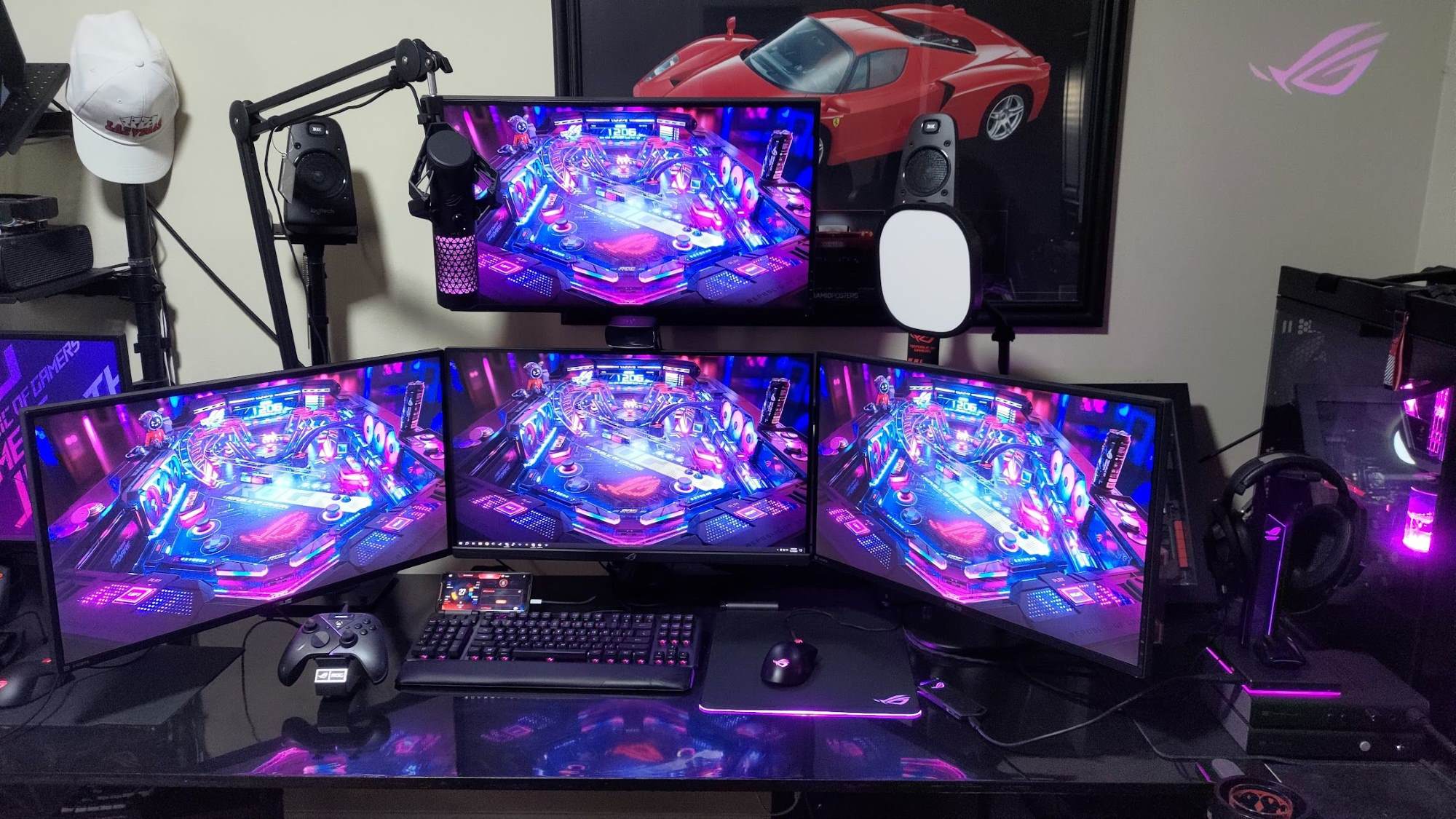
The primary appeal of Skytech systems lies in their appearance. They often use cases that showcase internal components, allowing the RGB lighting to be a central feature of the user experience. While this creates a striking visual presence, it is important to note that the focus on aesthetics can sometimes overshadow build quality nuances. Cable management, while generally functional, may not match the meticulous neatness found in custom-built enthusiast rigs. The use of pre-bundled RGB controllers can add to the visual flair but may introduce additional software layers that require management.
Cooling and Noise Trade-offs
Performance in Skytech gaming rigs is generally strong for the price point, but cooling solutions can be a trade-off. Many of their models prioritize airflow for visual appeal rather than acoustic dampening. As a result, under heavy load, fans may spin up to higher RPMs to maintain temperatures, leading to increased noise levels. This is a common compromise in pre-built systems that balance cost and visual impact. Users who prioritize a quiet environment may need to manually adjust fan curves or consider additional soundproofing measures.
Component Sourcing
Skytech sources components from a variety of manufacturers, which can lead to inconsistencies in part quality. While core components like CPUs and GPUs are typically from major brands, peripheral parts such as power supplies, motherboards, and storage drives may vary. This means that while the gaming performance is reliable, the longevity and stability of the entire system can depend on the specific batch of components used. It is advisable to check the specific configuration of any Skytech rig you are considering, paying close attention to the power supply unit and storage drives for quality assurance.
Lyte Gaming PC design and cooling
Lyte distinguishes itself from Cyberpower and Skytech by prioritizing airflow and minimalist aesthetics over flashy RGB lighting. While competitors often fill cases with excessive LED strips and opaque panels, Lyte focuses on a clean, industrial look that serves a functional purpose. The result is a machine that looks understated on a desk but performs aggressively under load. This approach appeals to gamers who want their hardware to look like high-end audio equipment rather than a carnival ride.
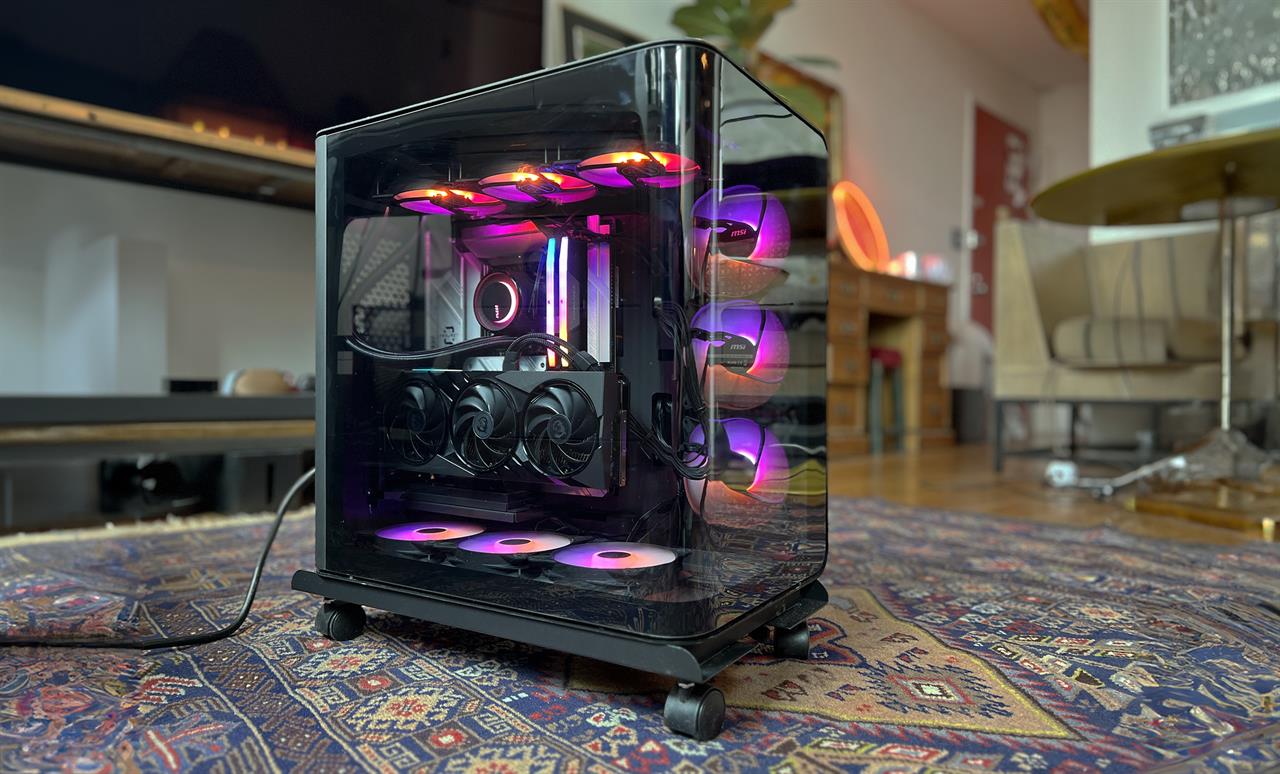
The company’s signature design language relies on large mesh front panels and tempered glass side panels. This combination creates a chimney effect, pulling cool air from the front and bottom while exhausting hot air from the rear and top. Unlike the solid front panels found on many budget gaming rigs, Lyte’s mesh design ensures that intake fans are never starved for air. This is particularly important for high-end components that generate significant heat during extended gaming sessions.
Build quality is another area where Lyte sets itself apart. The cases typically feature thicker gauge steel and higher-quality powder-coated finishes compared to the lighter, more flimsy chassis used by Skytech and Cyberpower. Cable management is also more refined, with ample routing space behind the motherboard tray. This not only improves the visual appeal but also prevents cables from obstructing airflow paths. The attention to detail extends to the included fans, which are often pre-installed with a balanced positive pressure setup to keep dust out.
Cooling solutions are integrated into the design philosophy rather than treated as an afterthought. Many Lyte configurations support large radiators for liquid cooling, with mounting points clearly marked and easily accessible. The airflow optimization means that even air-cooled builds run quieter and cooler than similar specs from competitors. This reduces fan noise and extends the lifespan of internal components, offering a tangible benefit beyond just raw performance numbers.
Warranty support and upgrade paths
A practical choice should survive normal use, maintenance, timing, and budget. If a recommendation only works in an ideal situation, call that out plainly and give the reader a fallback path.
The simplest way to use this section is to write down the must-have criteria first, then compare each option against those criteria before weighing nice-to-have features.
Where to buy these gaming rigs
Finding the right pre-built system usually comes down to price tracking and retailer availability. While Cyberpower, Skytech, and Lyte maintain their own direct sales channels, most buyers find better deals and faster shipping through major marketplaces. These platforms often run limited-time promotions on specific configurations, making it easier to snag a deal without waiting for a direct manufacturer sale.
Amazon remains the most reliable source for these builds. The platform’s return policy is generally more consumer-friendly than buying directly from smaller custom PC builders. If a component fails or the build doesn’t meet expectations, processing a return through Amazon is typically faster and less hassle than dealing with manufacturer warranty claims. This added layer of buyer protection is worth considering when comparing the final price of your chosen Gaming Rigs.
For those who prefer to buy directly, the manufacturers’ websites often offer more customization options. You can sometimes upgrade RAM, storage, or cooling solutions that aren’t available in the standard boxed packages on Amazon. However, direct purchases usually come with stricter return windows and may require you to troubleshoot initial setup issues before initiating a warranty claim.

As an Amazon Associate, we may earn from qualifying purchases.
Common questions about prebuilt gaming rigs
Choosing between Cyberpower PC, Skytech, and Lyte involves looking past the sticker price to understand how each brand handles the physical build. While raw specifications like GPU models are easy to compare, the long-term experience depends on thermal management, acoustic performance, and warranty support.
How do warranty terms differ?
Warranty structures vary significantly across these three brands. Cyberpower PC typically offers a one-year warranty on parts and labor, with some extended coverage available for specific components. Skytech Gaming often provides a three-year warranty on parts, which is above average for the entry-level prebuilt market. Lyte PC positions itself as a premium builder, often including longer support windows and more responsive customer service channels, reflecting their higher price point.
Which brand runs cooler and quieter?
Thermal performance is where build quality becomes visible. Skytech has faced criticism in the past for cable management issues that can obstruct airflow, leading to higher internal temperatures. Cyberpower PC systems often use standard cases with adequate ventilation but may rely on louder fans to compensate. Lyte PC generally prioritizes airflow and component spacing, resulting in lower noise levels and more stable temperatures under load, which is a key differentiator for enthusiasts.
Are these systems easy to upgrade?
Upgradeability depends on the case design and motherboard selection. Skytech and Cyberpower often use proprietary or non-standard mounting solutions in their budget lines, which can complicate future hardware swaps. Lyte PC typically uses standard ATX cases and motherboards, making it easier to swap out GPUs, add storage, or increase RAM without specialized tools or adapters. Always check the specific model’s case compatibility before purchasing if you plan to upgrade later.
No comments yet. Be the first to share your thoughts!