

Why automate your reef tank
Connecting reef equipment to a PC or smart hub transforms a static aquarium into a responsive ecosystem. Instead of manually adjusting lights or checking temperatures, systems like the Apex or EcoTech controllers let your tank self-regulate. This precision control is essential for maintaining stable parameters for sensitive livestock like corals and clownfish.
Automation acts as a safety net. If a heater fails or water levels drop, the system can instantly shut off equipment and alert you via smartphone. This proactive monitoring prevents catastrophic failures that often occur when tanks are left unattended for days. The peace of mind is as valuable as the improved animal health.
Automation isn't just convenience; it's a safety net for sensitive livestock.
While some hobbyists repurpose old laptops for tank management, dedicated controllers offer more reliability and integration. These devices sync lighting cycles to mimic natural sunrise and sunset, promoting coral growth and coloration. They also coordinate powerheads to create realistic water flow patterns, reducing dead spots where detritus can accumulate.
By centralizing control, you reduce the clutter of multiple remotes and timers. Whether you use Reef Octopus skimmers with smart interfaces or standalone LED fixtures, a unified system simplifies maintenance. This approach ensures that every parameter—from pH to salinity—is managed with the same precision you would apply to a high-performance PC setup.
Top PC Reef controllers for 2026
The heart of any automated reef system is the controller. While software runs on your PC, the hardware acts as the nervous system, reading sensors and flipping relays. In 2026, the best marine controllers are those that bridge the gap between dedicated hardware reliability and flexible PC-based monitoring.
The market is dominated by three main platforms: the Neptune Systems Apex, EcoTech Marine (Vortech/Atom), and Reef Octopus integrated hubs. Each offers a different approach to sensor inputs and relay outputs.
Neptune Systems Apex
The Apex remains the industry standard for modular reef automation. It uses a central processor that connects to various I/O modules, allowing you to add as many sensors and outlets as your tank requires. The hardware is robust, featuring redundant power supplies and a clear, backlit display that works even if your PC connection drops.
It integrates seamlessly with PC software like Apex Central or third-party dashboards. The key advantage is its expandability. You can start with basic pH and ORP monitoring and add water level detection, dosing pumps, and lighting channels later without replacing the entire system.
EcoTech Marine
EcoTech controllers are tightly integrated with their proprietary lighting and flow devices. If you run Vortech pumps and Radion lights, the EcoTech ecosystem offers the most polished experience. The controllers prioritize precise wave patterns and light spectra, syncing them automatically based on time of day.
While less modular than the Apex for general tank monitoring, EcoTech’s reliability is high. Their software provides detailed analytics on energy usage and device health, which is ideal for reefers who want a "set it and forget it" environment with minimal manual configuration.
Reef Octopus and Smart Hubs
Reef Octopus has shifted toward smart integration, offering controllers that manage protein skimmers, chillers, and heaters. These units often focus on specific high-wattage equipment management. They are less about complex data logging and more about keeping critical hardware running safely.
For reefers who already own Reef Octopus skimmers, adding their smart controller simplifies wiring. It reduces the number of separate power strips and timers, creating a cleaner setup behind the cabinet.
Choosing Your Hardware
When selecting a controller, look at the relay count and sensor inputs. Do you need six outlets for pumps and heaters? Do you want to monitor pH, ORP, and temperature simultaneously? The best PC reef controller is the one that fits your current tank and allows for future expansion.

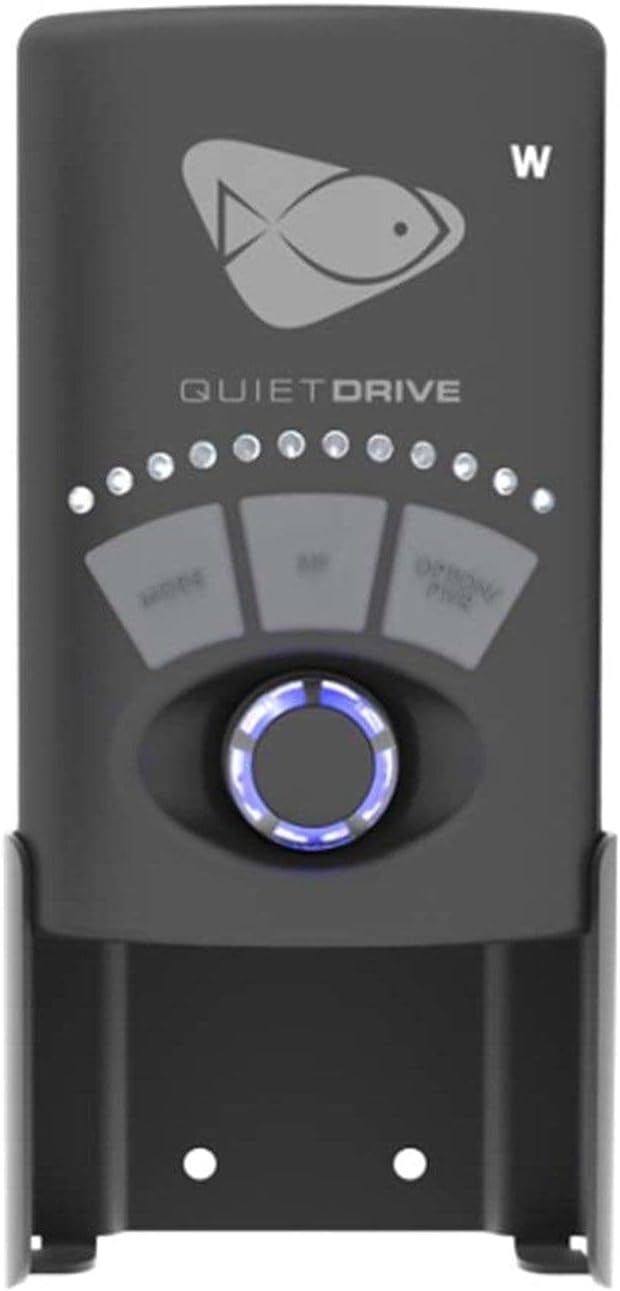
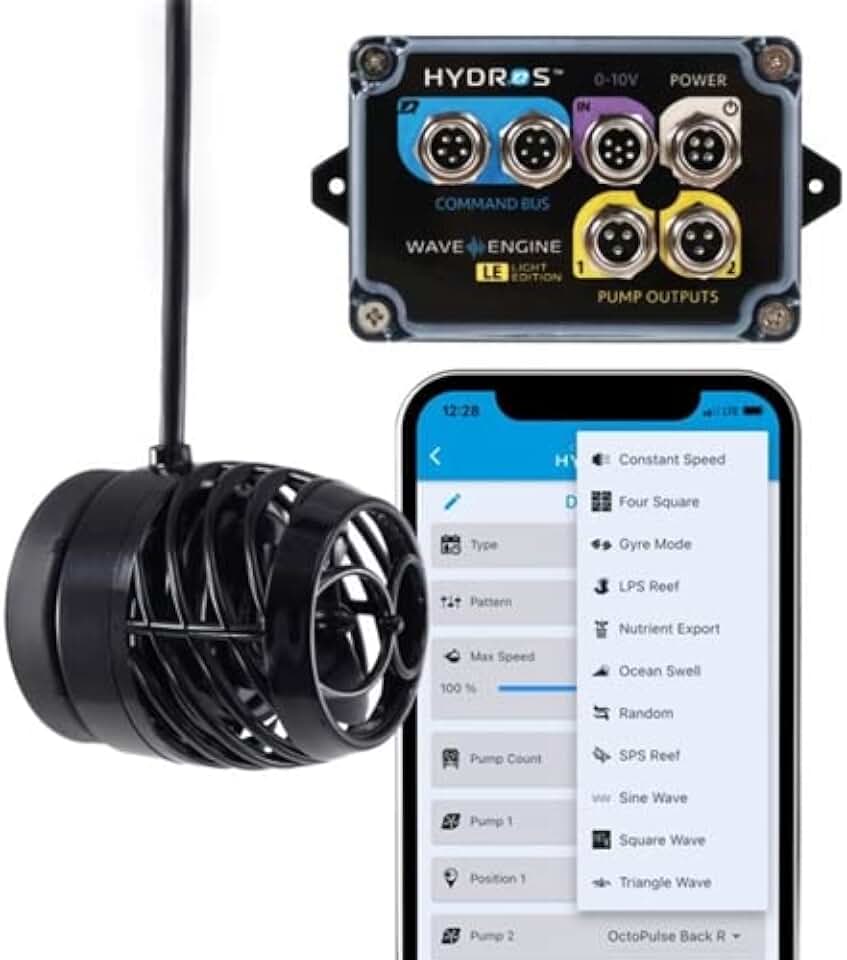
As an Amazon Associate, we may earn from qualifying purchases.
Smart lighting systems with PC connectivity
Lighting is the engine of a reef tank, driving photosynthesis and enhancing coral coloration. While standalone controllers exist, connecting your lighting system to a PC or local network offers precise control over spectra and schedules. This connectivity allows you to simulate natural sunrise and sunset cycles, adjust moonlight intensity, and monitor tank health remotely.
The best systems integrate directly with popular reef controllers like Apex, EcoTech, or Reef Octopus. This integration ensures that lighting changes respond to environmental data, such as water temperature or salinity, without manual intervention. Below is a comparison of key features for top-tier lighting kits that support this level of connectivity.
| Brand | Connectivity | Spectrum Control | Controller Integration |
|---|---|---|---|
| EcoTech Marine | Wi-Fi / Bluetooth | Full RGB + UV | Apex, Reef Octopus |
| AI Light (Kessil) | Wi-Fi (AquaController) | Tunable White/RGB | Apex, custom API |
| Radion Pro (AI) | Wi-Fi | RGBWA + UV | Apex, EcoTech |
| Orphek | Wi-Fi / Ethernet | Multi-channel RGB | Apex, custom API |
EcoTech Marine’s Radion and Atman lines remain industry standards for their robust Wi-Fi capabilities and deep integration with the Apex ecosystem. These lights allow for granular control over individual channels, enabling aquarists to fine-tune blue and actinic spectra for coral fluorescence. Similarly, Kessil’s AI series has gained traction for its tunable white and RGB options, which are particularly effective for growing LPS corals.
When selecting a lighting system, prioritize one that supports API access or native integration with your existing controller. This ensures that your lighting schedule can adapt to seasonal changes or specific coral needs automatically. Avoid systems that rely solely on proprietary apps without PC connectivity, as they limit your ability to automate complex routines.
Essential sensors and probes
A PC controller is only as good as the data it receives. Without accurate, real-time feedback from the tank, automation is just guessing. The core suite of sensors you need includes temperature, salinity, pH, and ORP (Oxidation-Reduction Potential) probes. These are the vital signs of your reef, and they dictate how your skimmer, chiller, and lighting respond to changes in the water.
Temperature is the most critical variable. Even a one-degree shift can stress corals or trigger algae blooms. Look for probes with fast response times and high accuracy, typically within ±0.1°C. Brands like EcoTech and Apex offer proprietary probes that plug directly into their systems, ensuring seamless communication. For third-party controllers, standard PT1000 or thermistor probes are widely compatible, but ensure they are rated for continuous submersion in saltwater.
Salinity and pH probes require more maintenance. Salinity sensors drift over time and need regular cleaning to prevent salt creep from skewing readings. pH probes are even more finicky; they require frequent calibration with buffer solutions and can become sluggish if not properly hydrated. ORP probes help monitor the overall oxidative state of the water, indicating the effectiveness of your skimmer and the health of the microbial balance. While not always mandatory for basic setups, they are invaluable for advanced reefers tracking water chemistry trends.
Calibration is non-negotiable. A sensor that isn't calibrated is worse than no sensor at all, as it provides false confidence. Set a reminder to calibrate pH and ORP probes monthly, and check salinity sensors weekly. Use fresh calibration solutions, and always rinse probes with RO/DI water between steps. Investing in high-quality probes from reputable brands like Reef Octopus or CoralVue ensures longevity and reliability, saving you from the heartbreak of a dead sensor during a late-night crisis.
Setting up your reef automation
Connecting a PC to your reef tank isn't about plugging in a generic smart plug; it's about building a nervous system for the aquarium. The most reliable setups use dedicated controllers like the CoralVue Apex or EcoTech systems, which communicate with your computer via USB or Ethernet to manage dosing, lighting, and power sequencing.
Start by ensuring your PC has the necessary ports. Most modern controllers require a stable USB connection for initial configuration and firmware updates, though many also support Wi-Fi or Ethernet for ongoing data logging. If your desktop lacks these ports, a simple USB hub or a dedicated network adapter can bridge the gap without introducing latency.
Next, install the manufacturer's software suite. For Apex users, this means the ReefPilot or Apex Manager software; for EcoTech, it's the API software. These programs act as the bridge between your tank's hardware and your PC's interface, allowing you to script complex weather cycles and monitor water parameters in real-time. Treat this software installation like calibrating a refractometer—precision matters.
Finally, verify the communication handshake. Once the software is running, check that the PC can read sensor data from the controller. If the connection drops, check your firewall settings or USB drivers before assuming hardware failure. A stable link between your PC and your Apex or EcoTech controller is the foundation of a low-maintenance reef.
Common questions about reef PCs
Many hobbyists confuse "reef PC" with high-end gaming hardware like the EKWB Digital Reef, which is built for visual fidelity rather than aquarium control. In this context, a reef PC refers to a desktop or laptop running automation software to manage lighting, temperature, and water chemistry.
Can I use an old laptop for reef automation?
Yes, repurposing an old laptop is a practical way to run reef controllers. The built-in screen and battery backup (UPS) make it an ideal hub for monitoring systems like Apex or EcoTech. You simply need to ensure the software can run continuously without overheating.
What software do reef PCs need?
Reef PCs require specialized marine automation software, not generic smart home apps. Popular choices include Corralware, which integrates with EcoTech devices, or proprietary software for Reef Octopus skimmers. These programs handle complex schedules for wave makers and dosing pumps.
How do I troubleshoot connectivity issues?
Reef automation relies on stable Wi-Fi or Ethernet connections to controllers. If devices like power heads or skimmers drop offline, check your router's range near the tank stand. Using a wired connection for the PC often prevents the latency issues common in wireless setups.
No comments yet. Be the first to share your thoughts!