
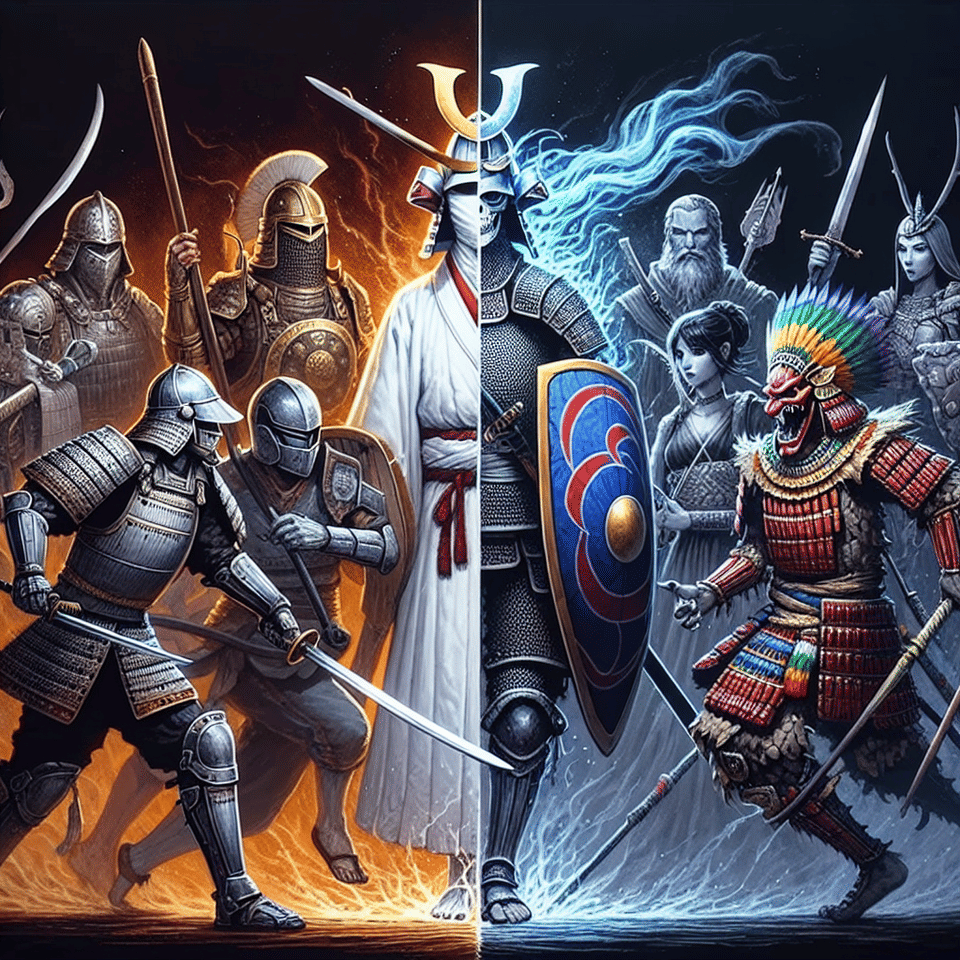

The age of epic historical games has graced the PC gaming community with immersive experiences that transport players back in time to relive moments of valor, strategy, and exploration. Among these titles, Ghost of Tsushima, initially a console exclusive, has finally made its way to PC, promising a journey through feudal Japan. But how does it stack up against other historical epics that have captivated audiences for years? Let's dive into a comparative review that pits the samurai saga against its genre contemporaries.
Unsheathing the Blade: Ghost of Tsushima's Entry onto PC
Ghost of Tsushima's leap from console to PC has been met with anticipation and excitement. With its stunning visuals and intricate storytelling, it stands as a formidable contender in the realm of historical epics. The game offers an open-world experience set in 13th century Japan, where players embody Jin Sakai, a samurai on a quest for vengeance and liberation.
But Ghost of Tsushima is not alone in this category. It joins the ranks of other beloved titles like Assassin's Creed Odyssey and Total War: Three Kingdoms. Each game brings its unique flavor to the table, whether it be through stealthy assassinations or grand-scale battles.
Comparing Gameplay Mechanics and Historical Authenticity
When discussing gameplay mechanics, Ghost of Tsushima emphasizes fluid combat and exploration within its beautifully crafted world. Its combat system is both accessible and deep, offering multiple fighting styles known as stances that players can switch between on-the-fly. For those interested in how these mechanics compare with God of War Ragnarok’s mythical brawls, take our interactive quiz.
Combat Systems Showdown: Ghost of Tsushima vs. God of War Ragnarok
Dive into the intricacies of the combat systems of two epic historical games. How well do you know your way around the katana of Jin Sakai and the Leviathan Axe of Kratos? Take this quiz to find out!
In terms of historical authenticity, games like Assassin’s Creed Odyssey take creative liberties but still manage to ground themselves within the context of Ancient Greece. Meanwhile, Total War: Three Kingdoms offers a more strategic approach by allowing players to command armies in historically inspired scenarios from China's Han Dynasty period.
The Visual Feast: Graphical Prowess Across Platforms
The transition from console to PC often comes with expectations for graphical enhancements. Ghost of Tsushima on PC boasts improved frame rates and higher resolution options compared to its console counterpart – a treat for those equipped with high-end hardware like an Alienware Gaming PC or ASUS Gaming PCs. To ensure your machine is up to par for this visual spectacle, utilize our PC system requirement calculator.
However, graphics aren't everything. Games like Total War: Three Kingdoms prioritize massive unit counts over individual character detail which serves their gameplay style well. Conversely, Assassin’s Creed Odyssey delivers detailed character models and environments that are essential for its narrative-driven exploration.
Graphics Face-off
- Resolution: Ghost of Tsushima offers native 4K resolution, providing sharp and detailed imagery.
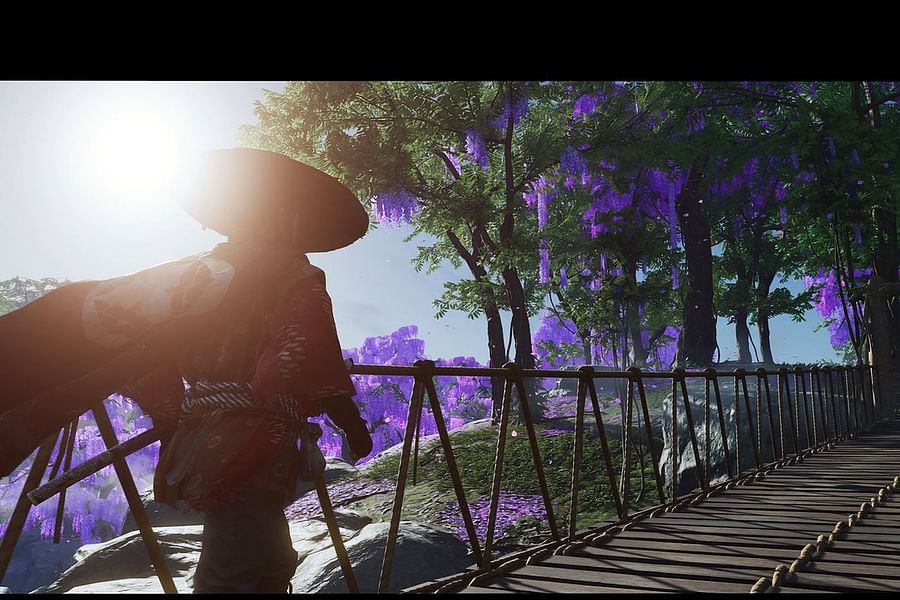
- Textures: The game boasts high-resolution textures that showcase intricate details on armor and environments.
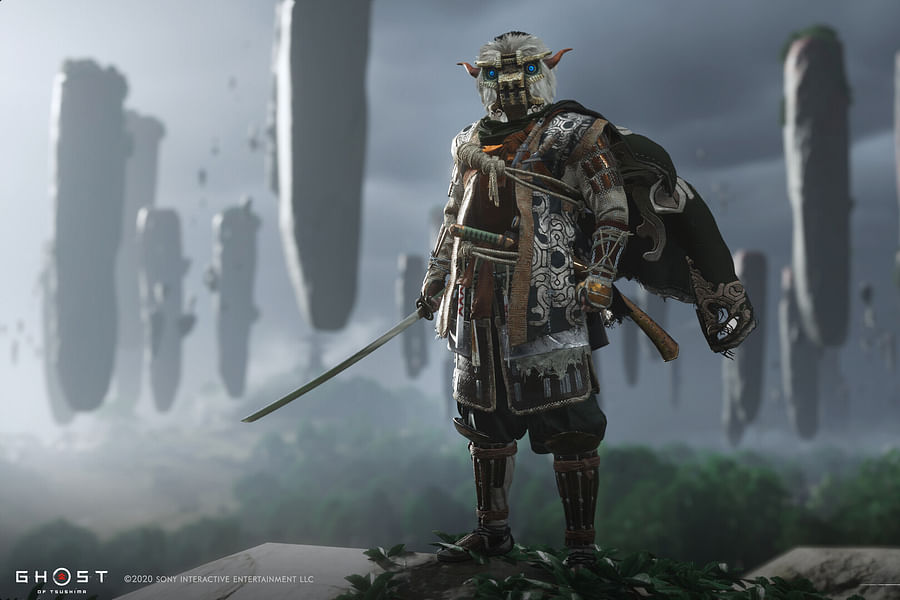
- Lighting: Advanced lighting techniques create dynamic shadows and realistic day-to-night transitions.
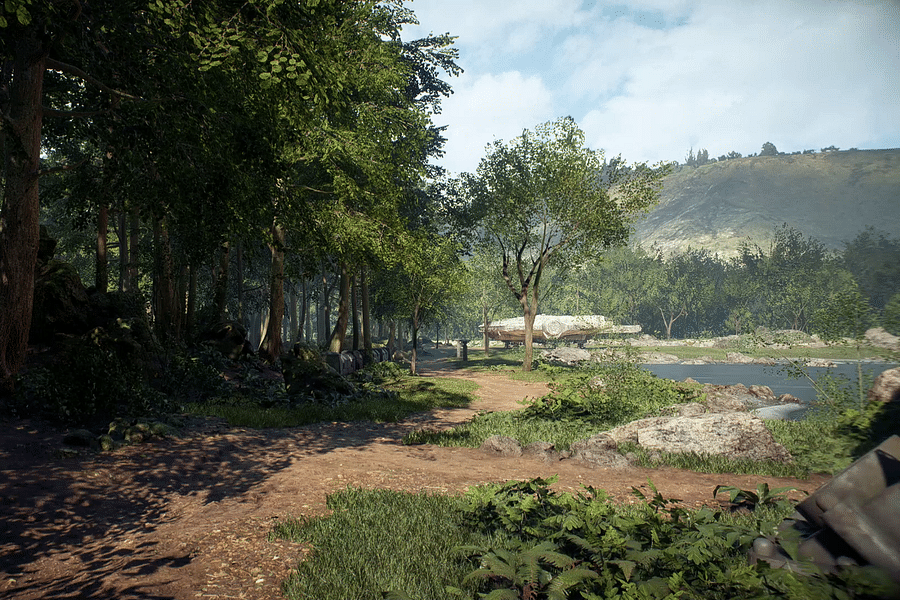
- Character Models: Exceptionally detailed character models with lifelike animations set a new standard.
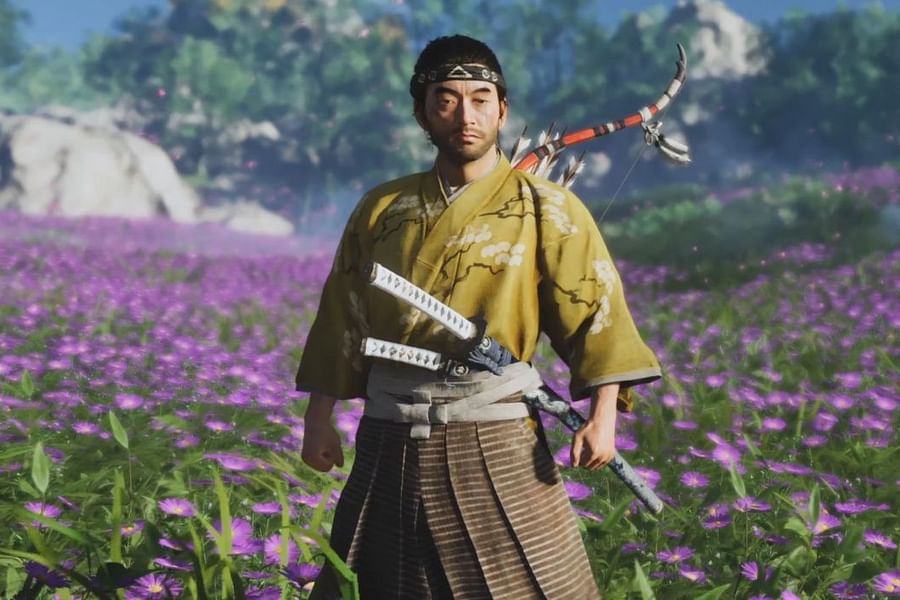
- Environmental Effects: From sweeping fields to dense forests, the game's environments are breathtaking and immersive.
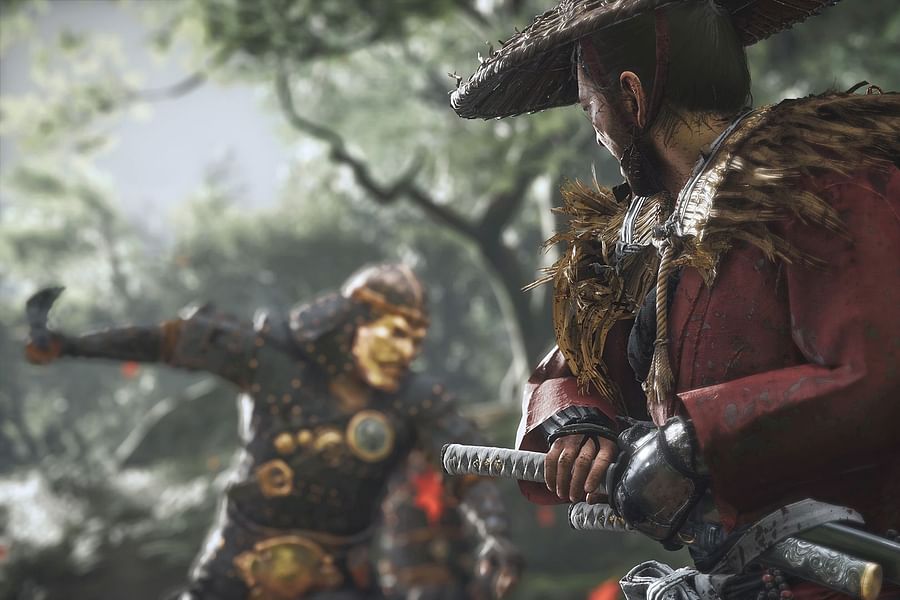
- Particle Effects: The use of particle effects adds to the game's atmosphere, with realistic fire, smoke, and fog.
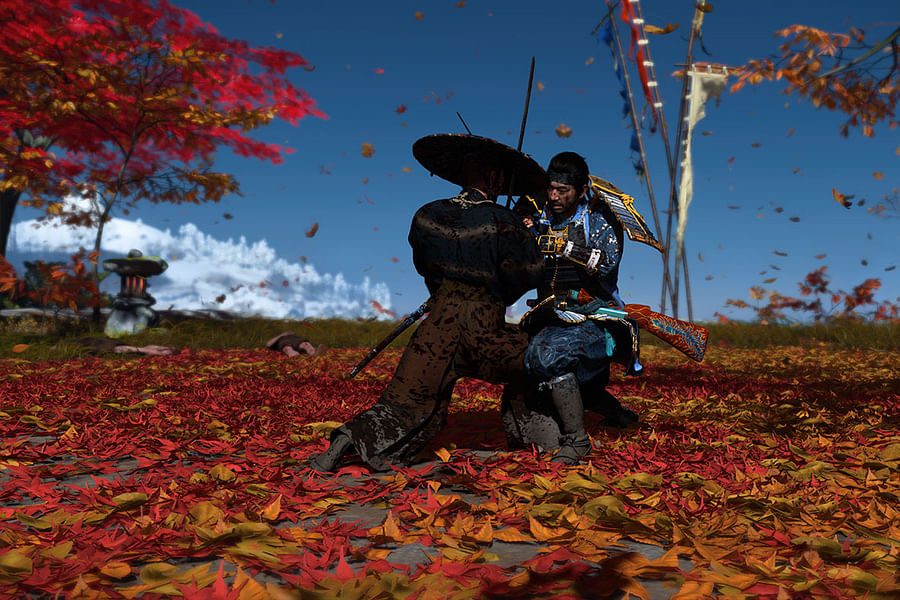
- Draw Distance: Vast draw distances with minimal pop-in enhance the open-world exploration experience.
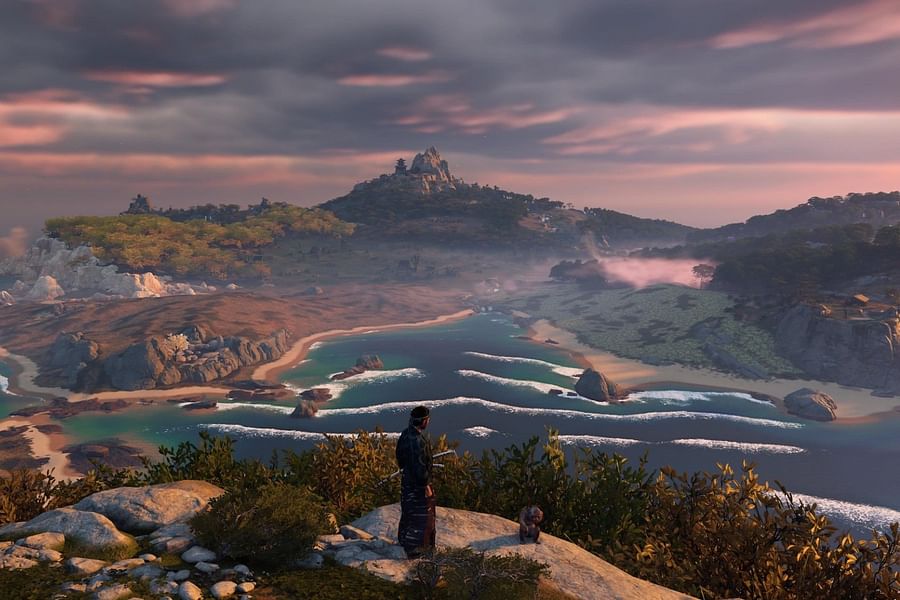
- Water Simulation: The game features realistic water simulation, adding to the dynamic nature of the world.
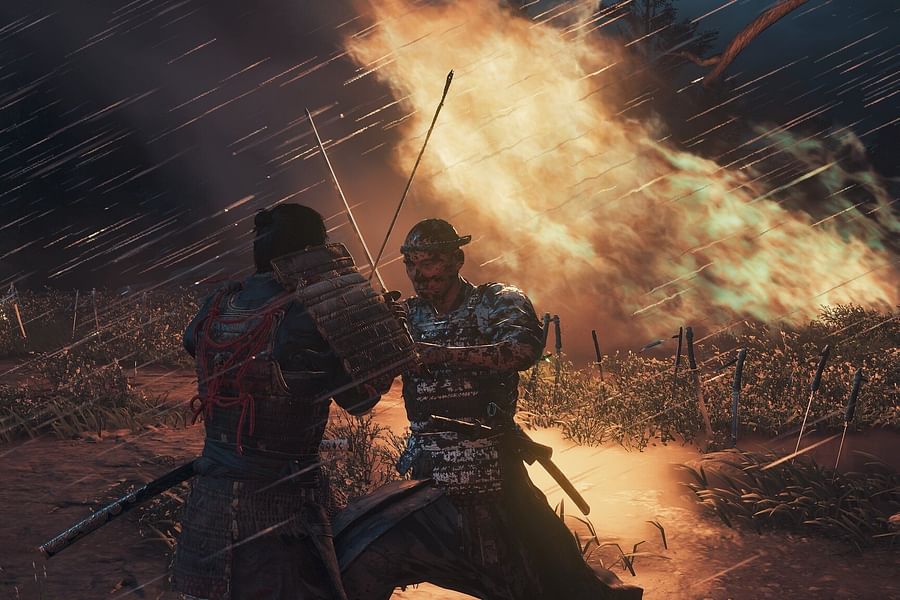
- Performance: Ghost of Tsushima runs smoothly on PC, maintaining high frame rates even in demanding scenes.
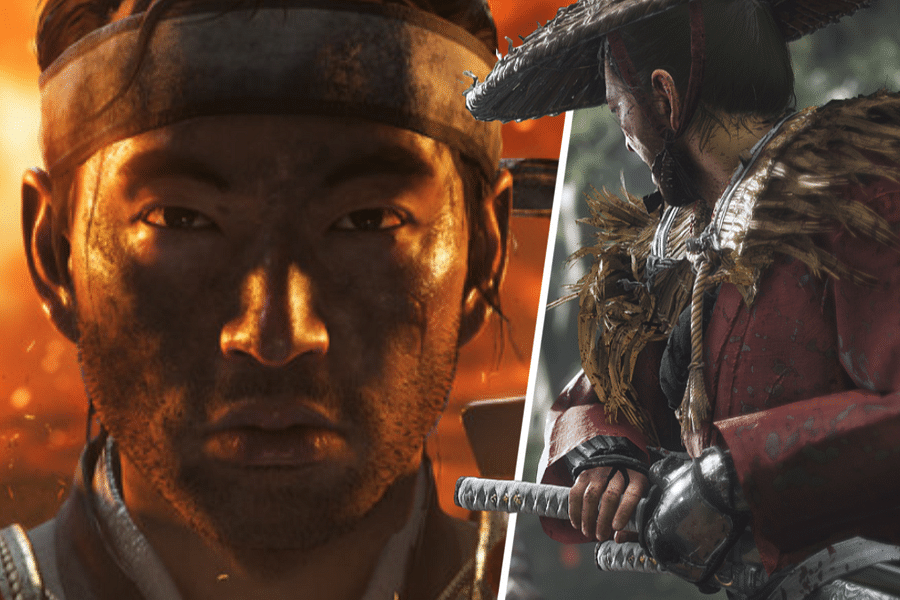
The battle between these titans goes beyond just graphics or gameplay; it extends into their ability to provide an engaging story set within an authentic historical backdrop. As we examine each game more closely in this comparative review...
Moving beyond the surface-level comparisons, let's delve into the heart of what makes Ghost of Tsushima stand out among its peers in the historical epic genre. The game's dedication to authenticity is not just in its visual splendor but also in how it weaves cultural nuances into its gameplay and storytelling. This attention to detail is a significant factor when juxtaposing it with other titles.
The Cultural Impact of Ghost of Tsushima
In Ghost of Tsushima, players are not just participants in an open-world adventure; they're also immersing themselves in the rich tapestry of feudal Japan. The game has been praised for its respectful representation of Japanese culture, from the language to traditional clothing and architecture. This cultural depth adds an educational layer that is often missing from other historical games, where accuracy sometimes takes a backseat to entertainment.
For those who appreciate history, Ghost of Tsushima offers an engaging way to experience samurai lore. The game's narrative is grounded in real historical events, which lends an air of authenticity that can be deeply felt throughout the gameplay.
Gameplay Mechanics: A Comparative Analysis
When it comes to gameplay mechanics, Ghost of Tsushima stands out with its elegant yet simple combat system. It forgoes the complexity seen in some RPGs for a more intuitive approach that emphasizes timing and skill. This design choice makes combat accessible yet challenging, providing a satisfying learning curve for players.
Ghost of Tsushima vs. God of War Ragnarok: Gameplay Mechanics Showdown
Test your knowledge on the gameplay mechanics of two epic historical games: Ghost of Tsushima and God of War Ragnarok. Can you distinguish between the samurai's way and the path of the Norse gods?
The stealth mechanics also deserve mention; they allow for a varied approach to encounters, giving players the freedom to choose their path—be it silent assassinations or head-on confrontations. This flexibility contrasts with more linear historical epics, where player choice can sometimes feel limited.
To ensure your PC can handle these immersive experiences, consider using our PC system requirement calculator for both God of War Ragnarok and Ghost of Tsushima.
The Verdict: Does Ghost Stand Alone?
In conclusion—without actually concluding—the question remains: Does Ghost of Tsushima truly stand alone atop the mountain of historical epic games? While this question might be subjective based on individual player preferences, one cannot deny that Ghost's commitment to authenticity, combined with its fluid gameplay and stunning visuals, sets it apart in meaningful ways.
It's worth noting that while other titles like Assassin's Creed or Total War series offer their own take on historical periods, Ghost of Tsushima's dedication to a specific time and place—and its reverent portrayal thereof—offers a unique experience that resonates with players seeking both action and authenticity.
If you're looking for more epic battles and mythological tales on PC, don't miss our review on God of War Ragnarok. And if you're interested in how different gaming PCs stack up against each other while running these demanding titles, check out our comparisons between Alienware Gaming PC vs Cyberpower PC.
To wrap things up—figuratively speaking—Ghost of Tsushima transcends being just another entry in the genre by offering a window into a world seldom explored with such depth in video games. It stands as a testament to how interactive media can honor history while providing an engaging escape into another time and place.


No comments yet. Be the first to share your thoughts!